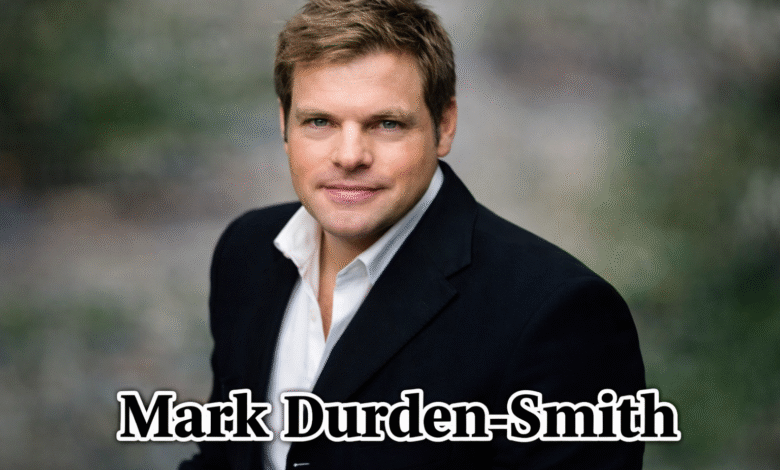
Mark Durden-Smith Biography: A Powerful Journey Through British Television, Sport, and Media Excellence

Introduction
Mark Durden-Smith is a well-established British television presenter known for his calm authority, adaptability, and long-standing presence across sports and entertainment broadcasting. With decades of experience on major UK networks, he has built a reputation for professionalism rather than controversy, making him a trusted face for both viewers and broadcasters.
Unlike many media personalities driven by fame or headlines, Mark Durden-Smith’s career reflects steady growth, credibility, and consistency. While he enjoys public recognition and industry respect, he has largely avoided scandal, proving that longevity in television can be achieved through skill and discipline rather than constant reinvention.
Quick Bio
| Field | Details |
|---|---|
| Full Name | Mark Durden-Smith |
| Date of Birth | 1 October 1968 |
| Birthplace | Soho, London, England |
| Age | 57 years (as of 2025) |
| Nationality | British |
| Profession | Television Presenter |
| Education | Radley College; Durham University |
| Marital Status | Married |
| Spouse | Rachel Morse |
| Children | Three |
| Known For | Rugby broadcasting, ITV & Sky TV presenting |
Early Life and Family Background
Mark Durden-Smith was born and raised in Soho, London, in a household already deeply connected to British broadcasting and sport. Growing up in such an environment gave him early exposure to media professionalism, production discipline, and the realities of public life. This background helped shape his measured and grounded approach to television.
His parents were both prominent figures in UK media, which meant expectations were naturally high. Rather than relying on family reputation alone, Mark developed his own path, learning early that credibility in broadcasting must be earned through performance, preparation, and reliability.
Education and Academic Foundation
Mark received his early education at Radley College, a respected independent boarding school known for academic rigor and extracurricular balance. During these formative years, he developed confidence, communication skills, and a strong interest in sport, particularly rugby.
He later studied Anthropology at Durham University, graduating in 1991. University life further sharpened his analytical thinking and interpersonal skills, while his involvement in rugby reinforced teamwork, discipline, and leadership—qualities that would later define his broadcasting style.
Start of Career and Media Entry
Mark Durden-Smith began his professional career behind the scenes, working in radio and regional broadcasting environments. These early roles allowed him to understand production processes, editorial responsibility, and audience engagement before stepping in front of the camera.
His transition to on-screen presenting came gradually, reflecting patience rather than haste. By learning every layer of broadcasting, he developed a presenter style that feels informed, controlled, and authentic rather than performative.
Breakthrough in Sports Broadcasting
The defining phase of Mark Durden-Smith’s career came with his involvement in rugby broadcasting. His deep understanding of the sport, combined with articulate presentation, made him a natural fit for rugby coverage on national television.
He became especially known for presenting rugby union programs, where his ability to balance expert insight with accessibility helped attract both dedicated fans and casual viewers. This role established him as a credible sports broadcaster rather than a generalist host.
Expansion into Entertainment Television
Beyond sport, Mark successfully expanded into entertainment and lifestyle television. He appeared as a presenter on mainstream shows, morning television, and companion programs that required a lighter tone and conversational presence.
This transition demonstrated his versatility but also highlighted a potential limitation: while respected, he was never positioned as a sensational or headline-driven entertainer. Instead, his value lay in reliability and professionalism rather than celebrity theatrics.
ITV, Channel 5, and Prime Video Work
Mark’s work across ITV and Channel 5 further strengthened his position in British television. He contributed to reality show spin-offs, daytime television, and documentary-style programming that demanded adaptability across formats.
In later years, his involvement in rugby coverage on streaming platforms signaled his relevance in a changing media landscape. While some broadcasters struggled to adapt, Mark transitioned smoothly, proving experience still matters in digital-first broadcasting environments.
Corporate Hosting and Professional Presence
In addition to television, Mark Durden-Smith became a sought-after corporate event host. His ability to manage live audiences, deliver structured content, and maintain professionalism under pressure made him popular for conferences and award ceremonies.
This work reflects both strength and limitation. On one hand, it reinforces his reputation as dependable and articulate; on the other, it places him firmly in the category of trusted professionals rather than cultural trendsetters.
Public Image and Media Personality
Mark Durden-Smith’s public image is defined by stability and credibility. He is rarely associated with controversy, which strengthens trust but limits tabloid visibility. In an era dominated by viral moments, his approach may appear understated, yet it ensures long-term relevance.
This balance of low drama and high competence has allowed him to sustain a long career without reputational damage. While he may not dominate headlines, he remains consistently employed and respected.
Legacy in British Broadcasting
Mark’s legacy lies in demonstrating that television careers can be built on substance rather than spectacle. His work across sport, entertainment, and corporate media shows how adaptability and professionalism can outweigh fleeting popularity.
He represents a generation of broadcasters who value preparation, neutrality, and audience respect. While newer presenters chase instant recognition, Mark Durden-Smith’s career stands as a model of sustainable success.
Conclusion
Mark Durden-Smith’s career reflects both strength and restraint. Positively, he has achieved longevity, credibility, and cross-genre success without scandal or burnout. Negatively, his understated style has limited mass celebrity status in a media culture that rewards provocation.
Nonetheless, his contribution to British television remains significant. As a presenter who values clarity over chaos, Mark Durden-Smith continues to embody professionalism in an industry often driven by noise.
Frequently Asked Questions
Who is Mark Durden-Smith?
Mark Durden-Smith is a British television presenter known for rugby broadcasting, entertainment shows, and corporate event hosting.
Where was Mark Durden-Smith born?
He was born in Soho, London, England.
What is Mark Durden-Smith known for?
He is best known for presenting rugby union coverage and appearing on major UK television networks.
Is Mark Durden-Smith married?
Yes, he is married to Rachel Morse and has three children.
What makes Mark Durden-Smith different from other presenters?
His career is defined by consistency, professionalism, and adaptability rather than controversy or sensationalism.