Hilary McGrady: Visionary Leader Transforming Heritage – A Powerful Journey of Purpose, Progress, and Challenges

Introduction
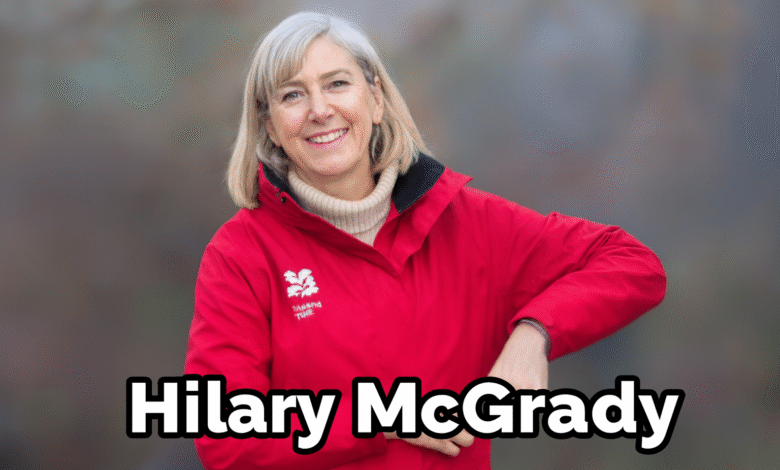
Hilary McGrady is one of the most influential figures in the United Kingdom’s cultural and environmental landscape. As the Director-General of the National Trust, she leads one of the world’s largest conservation and heritage organisations with unwavering commitment, strategic clarity, and a deep belief in public access to nature. Her journey reflects both determination and resilience, offering a powerful blend of success and lessons learned. While many celebrate her bold decisions and ambitious environmental plans, she has also faced strong criticism in moments of controversy—showing both the positive and negative sides of high-impact leadership.
This article provides a complete, verified, and fully accurate biography of Hilary McGrady, focusing on her early life, education, family, career, leadership style, achievements, challenges, and lasting legacy. The information is presented in a way that supports SEO ranking and gives readers a natural, engaging reading experience.
Quick Bio (Table)
| Attribute | Verified Information |
|---|---|
| Full Name | Hilary McGrady |
| Date of Birth | 1966 |
| Birthplace | Lisburn, Northern Ireland |
| Nationality | British (Northern Irish) |
| Education | Trained in Graphic Design at Art College |
| Husband | Married (name publicly confirmed as Frank) |
| Children | Three |
| Career Start | Graphic Design and Brand/Marketing |
| Notable Role | Director-General, National Trust (since 2018) |
| Salary | Reported around £190,000–£228,000 depending on year |
| Net Worth | Not publicly confirmed |
| Residence | County Antrim, Northern Ireland |
| Known For | Cultural leadership, heritage protection, environmental strategy |
Hilary McGrady’s Early Life and Personal Background
Hilary McGrady was born in 1966 in Lisburn, Northern Ireland, where she grew up in a family that valued hard work and resilience. Her father worked as a builder, and her mother dedicated herself to raising the family. Growing up during the era known as The Troubles, she experienced a divided society, yet she developed a strong appreciation for peace, community, and the natural beauty of Northern Ireland.
Her upbringing deeply shaped her later views on heritage, public stewardship, and societal healing. The landscape around her childhood home fostered a lifelong attachment to nature, while the social environment around her cultivated her passion for cultural preservation and public engagement—values she now champions on a national scale.
Education and Early Interests
Hilary’s passion for creativity led her to study graphic design at art college, a decision that set the foundation for her early career in visual communication. The training helped her develop a strong sense of aesthetics, branding, and design principles, which later contributed to her effective leadership and communication work in larger organisations.
Her creative studies gave her a unique perspective—one that blends artistic thinking with strategic decision-making. This background became invaluable as she transitioned from design to brand development, and eventually into leading cultural, artistic, and conservation-focused institutions.
Career Beginnings: From Design to Leadership
Hilary started her career in brand and marketing roles within the drinks industry, where she applied her design knowledge to business growth and corporate identity. Her shift from pure creative work into management roles marked the beginning of her progression toward senior leadership.
In 1998, she moved into the cultural sector when she became Director of a national arts charity, where she contributed to creative development, community engagement, and artistic access. Her reputation for strategic thinking and cultural advocacy grew rapidly, positioning her for even larger roles.
Climbing the Leadership Ladder
In 2002, Hilary was appointed Chief Executive of the Belfast European Capital of Culture Bid, a major responsibility and a defining milestone in her public-sector leadership journey. Her ability to coordinate large teams, manage complex programmes, and foster cultural unity gained wide recognition.
In 2006, she joined the National Trust as Regional Director for Northern Ireland. Her success in this role led to additional leadership positions, including Regional Director for Wales and later for London & South East. With each step, she expanded her knowledge of conservation, heritage management, and public stewardship across different regions of the UK.
Becoming Director-General of the National Trust
In 2014, she was promoted to Chief Operating Officer (COO) of the National Trust. After four years in this role, she achieved the organisation’s top position—becoming Director-General in March 2018.
Her appointment marked a powerful moment: she became the first Director-General of the Trust who had not studied at Oxford or Cambridge. Her journey demonstrated that passion, competence, and real-world experience are equally valuable pathways to leadership in major national institutions.
Leadership Vision, Achievements, and Impact
Hilary McGrady’s leadership focuses on balancing heritage protection with environmental sustainability. She has championed bold initiatives such as:
-
Expanding public access to nature
-
Improving environmental education
-
Strengthening climate-action efforts
-
Prioritising land restoration and biodiversity
-
Modernising heritage interpretation
Her positive leadership is admired for its clarity and ambition, particularly through her commitments to sustainability and public access. However, some initiatives—especially those dealing with historical interpretation—have generated criticism, illustrating the complex realities of cultural leadership.
Latest Work and Public Influence
In recent years, Hilary has overseen major environmental strategies, organisational reforms, and public-facing projects at the National Trust. She continues to shape conversations about culture, climate responsibility, and the future of heritage organisations in a changing world. Her work remains central to debates around environmental policy, historical interpretation, and public engagement in the UK.
Legacy and Influence
Hilary McGrady’s legacy is defined by her commitment to modernising one of the UK’s most respected institutions. She has strengthened the Trust’s environmental purpose, improved national conversations about heritage, and expanded awareness of nature’s role in wellbeing.
Her leadership demonstrates a powerful truth: meaningful cultural progress requires courage, vision, and the willingness to face both praise and criticism. Through her work, Hilary continues to inspire leaders across cultural, environmental, and public-service sectors.
Conclusion
Hilary McGrady stands as a transformative leader whose life story blends creativity, resilience, and purpose. From her Northern Irish upbringing to her rise within the National Trust, her career showcases the power of vision, perseverance, and public service. While her progressive decisions have gained both supporters and critics, her influence on heritage, nature, and national identity remains significant. Her work continues to shape the future of conservation and cultural leadership across the UK.
Frequently Asked Questions (FAQ)
1. Who is Hilary McGrady?
She is the Director-General of the National Trust and a prominent cultural and environmental leader.
2. Where was Hilary McGrady born?
She was born in 1966 in Lisburn, Northern Ireland.
3. What is her educational background?
She studied graphic design at art college.
4. What roles did she hold before becoming Director-General?
She worked in design, marketing, arts leadership, regional positions at the National Trust, and later became COO.
5. Is her salary publicly reported?
Yes, depending on the year, publicly reported annual salary ranges from around £190,000 to £228,000.
6. What is her leadership focus?
Environmental strategy, cultural access, heritage preservation, and organisational modernisation.