paul werdel: A Powerful Force Behind Modern Journalism – Success, Sacrifice, and the Quiet Strength of Digital Media Leadership

Introduction
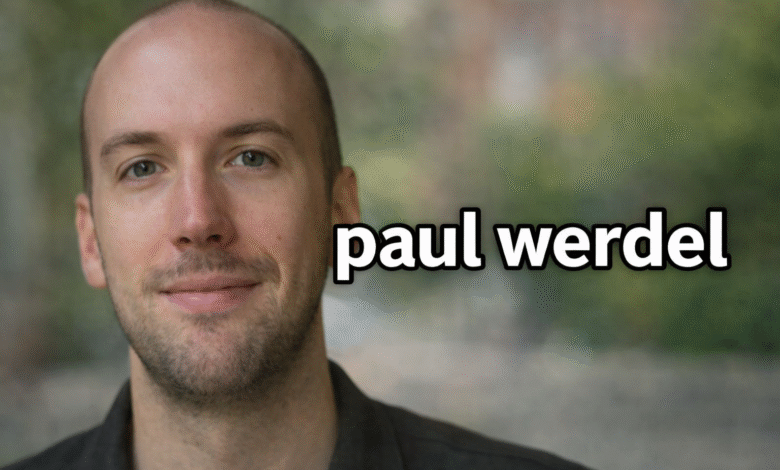
Paul Werdel is not a television celebrity, yet his professional journey reflects powerful influence within modern journalism. While many media figures gain public attention in front of cameras, Paul Werdel built his reputation quietly through editorial leadership, newsroom innovation, and digital strategy at some of the world’s most respected news organizations.
Despite working behind the scenes, his impact has been significant. His career includes major roles at BBC World News, Al Jazeera English, TPM Media, and The New York Times. At the same time, his personal life—particularly his marriage to journalist Amna Nawaz—has brought occasional public curiosity, adding both positive recognition and the challenge of maintaining privacy.
Quick Bio
| Field | Information |
|---|---|
| Full Name | Paul Werdel |
| Nationality | American |
| Birthplace | Baltimore, Maryland, United States |
| Education | Bachelor of Arts in Journalism, University of Maryland (2002) |
| Profession | Journalist, Editor, Digital Media Executive |
| Notable Organizations | BBC World News, Al Jazeera English, TPM Media, The New York Times |
| Spouse | Amna Nawaz |
| Children | Two daughters |
Early Life and Education
Paul Werdel was born in Baltimore, Maryland, in the United States. While detailed information about his early childhood remains private, it is clear that he developed an early interest in journalism and media production. Growing up in the U.S., he pursued academic training that would later shape his career in international newsrooms.
He attended the University of Maryland, where he earned a Bachelor of Arts in Journalism in 2002. This academic foundation prepared him for the evolving world of broadcast and digital journalism. The University of Maryland is known for producing skilled journalists, and Paul Werdel emerged as one of its accomplished graduates.
The Start of Paul Werdel’s Career
After completing his degree, Paul Werdel began building hands-on experience in media production and newsroom coordination. Early in his career, he worked as an assistant lecturer and production coordinator, gaining practical exposure to journalism workflows and editorial processes.
His first major international opportunity came when he joined BBC World News as a producer. Working in a globally recognized newsroom helped him refine his editorial judgment and understand the complexities of international news coverage. This stage laid the groundwork for his later leadership roles.
Career Growth at International News Organizations
BBC World News
From 2004 to 2007, Paul Werdel worked as a producer at BBC World News. In this role, he contributed to international broadcasting and news production. The BBC’s high editorial standards strengthened his professional credibility and global perspective.
Working in such a respected institution exposed him to fast-paced decision-making and global political reporting. It also sharpened his understanding of newsroom collaboration and content strategy.
Al Jazeera English
Paul Werdel later joined Al Jazeera English as a News Editor from 2008 to 2011. This period marked a powerful step forward in his career, as he moved into editorial leadership.
At Al Jazeera English, he contributed to shaping international news coverage and managing editorial decisions. His work during this time reinforced his reputation as a thoughtful and strategic newsroom professional.
TPM Media
Following his international roles, Paul Werdel expanded his experience within digital political journalism at TPM Media. Here, he deepened his understanding of online publishing, audience engagement, and political reporting.
This stage of his career helped him transition from traditional broadcast roles into digital media leadership. It reflected the broader industry shift toward online journalism and platform-based publishing.
Leadership at The New York Times
In 2014, Paul Werdel joined The New York Times, one of the most respected media institutions in the world. At The New York Times, he held several senior roles, including Senior Editor of Platforms, Senior Product Manager, and Product Director.
His responsibilities focused on digital publishing strategy, platform innovation, and newsroom modernization. As journalism moved from print dominance to digital-first models, Paul Werdel played a role in helping adapt newsroom systems to evolving technologies and audience behavior.
His work involved improving how news content reached readers across digital platforms. Through strategic product development and innovation, he contributed to shaping modern digital storytelling.
Paul Werdel and Digital Journalism Transformation
One of the most important aspects of Paul Werdel’s professional legacy is his involvement in digital transformation within journalism. The shift from traditional print and broadcast formats to digital platforms required strong leadership and technical understanding.
Paul Werdel’s work reflects that transition. By focusing on platform development, audience engagement, and product strategy, he contributed to making digital news more accessible and adaptable. While he may not appear on television screens, his impact remains embedded in how audiences experience news online.
Personal Life and Public Attention
Paul Werdel is married to Amna Nawaz, a respected broadcast journalist and co-anchor of PBS NewsHour. The couple married in 2007 and have two daughters.
Although Paul Werdel maintains a low public profile, interest in his personal life increased due to his wife’s public visibility. However, he has consistently kept his family life private, choosing to focus on professional work rather than public appearances.
Positive Influence and Private Challenges
The story of Paul Werdel carries both positive and challenging elements. On the positive side, he represents integrity, professionalism, and quiet leadership in an industry often driven by public recognition. His steady career path reflects dedication rather than celebrity.
On the other hand, working behind the scenes can sometimes mean limited public acknowledgment. Despite contributing significantly to major media organizations, he remains less known than on-air personalities. This contrast highlights the invisible but powerful roles that shape journalism.
Legacy of Paul Werdel
Paul Werdel’s legacy lies in digital newsroom innovation and editorial leadership. Through roles at BBC World News, Al Jazeera English, TPM Media, and The New York Times, he contributed to shaping the structure and strategy of modern journalism.
His career demonstrates that influence does not always require public visibility. Instead, it often depends on strategic thinking, adaptability, and long-term commitment to journalistic standards.
Conclusion
Paul Werdel stands as a powerful yet understated figure in modern media. His journey from journalism graduate to senior digital media executive reflects dedication, expertise, and adaptability.
While he may not seek public attention, his contributions to international journalism and digital innovation have left a meaningful mark. Paul Werdel’s story reminds us that the strength of journalism often depends on the quiet professionals working behind the scenes.
Frequently Asked Questions (FAQ)
Who is Paul Werdel?
Paul Werdel is an American journalist and digital media executive known for his roles at BBC World News, Al Jazeera English, TPM Media, and The New York Times.
What is Paul Werdel known for?
He is known for editorial leadership and digital media strategy, particularly in helping news organizations adapt to digital platforms.
Where did Paul Werdel study?
He earned a Bachelor of Arts in Journalism from the University of Maryland in 2002.
Is Paul Werdel married?
Yes, Paul Werdel is married to journalist Amna Nawaz.
Does Paul Werdel have children?
Yes, he and Amna Nawaz have two daughters.