Grant Stinchfield – A Powerful Voice in American Media, From Investigative Journalism to Conservative Commentary

Introduction
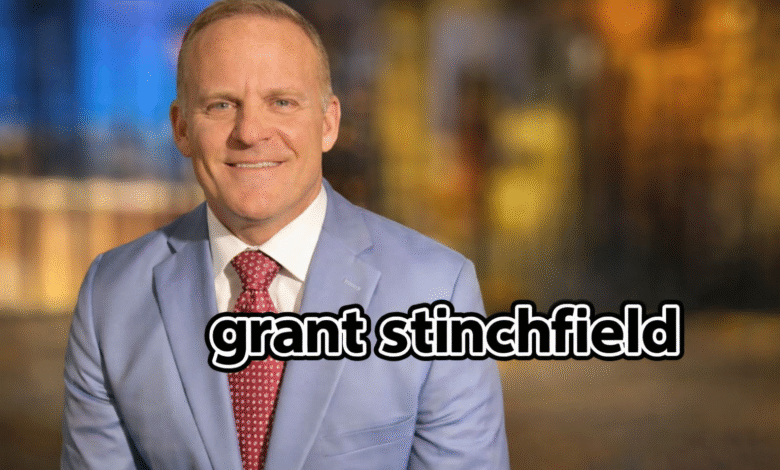
Grant Stinchfield is a well-known American media personality whose career reflects a significant transformation within modern journalism. Beginning as an investigative television reporter and later evolving into a conservative political commentator, he represents the shift from traditional news reporting to opinion-driven media.
Over the years, Grant Stinchfield has built a national profile through television, radio, and digital platforms. Admired by supporters for his direct communication style and criticized by opponents for his strong partisan views, Stinchfield remains a recognizable and influential figure in U.S. political media. This article explores his life, career, influence, and legacy using only confirmed and publicly available information.
Quick Bio
| Field | Details |
|---|---|
| Full Name | Grant Stinchfield |
| Nationality | American |
| Profession | Journalist, Political Commentator, Media Host |
| Education | Bachelor’s in Communication; Master’s in Journalism |
| Known For | Investigative journalism, conservative commentary |
| Media Platforms | Television, radio, podcasting |
| Political Affiliation | Republican (former congressional candidate) |
| Marital Status | Previously married |
| Children | One son |
Early Life and Background
Grant Stinchfield was born and raised in the United States. While he has kept most personal family details private, he has publicly acknowledged that his upbringing played a role in shaping his values and communication style. His early interest in storytelling and current affairs eventually led him toward journalism.
Unlike many media figures who share extensive personal histories, Stinchfield has maintained clear boundaries between his professional work and private life. This focus has allowed his public identity to remain centered on his career rather than personal narratives.
Education and Academic Foundation
Stinchfield pursued higher education with a strong focus on communication and journalism. He earned a Bachelor’s degree in Communication from Denison University, where he developed foundational skills in media, reporting, and public speaking.
He later completed a Master’s degree in Journalism from Quinnipiac University, strengthening his expertise in investigative reporting, ethics, and broadcast journalism. This academic background played a crucial role in his early success in television news.
Start of Career in Journalism
Grant Stinchfield began his professional career as a television journalist, working in local and regional news markets. During this period, he focused heavily on investigative reporting, covering stories that required deep research, public accountability, and on-the-ground reporting.
His work in traditional journalism earned him multiple Emmy Awards, a significant achievement that established his credibility within the media industry. At this stage, Stinchfield was widely viewed as a serious journalist rather than a political personality.
Transition From Reporting to Commentary
A defining shift in Grant Stinchfield’s career came when he moved away from neutral reporting toward opinion-based media. He has openly stated that he no longer wished to remain detached from political issues he felt strongly about.
This transition marked a turning point, placing him firmly within conservative media. While this move earned him a loyal audience, it also changed how critics and peers perceived his role in journalism. Supporters viewed it as honesty, while critics viewed it as a departure from objectivity.
Television and National Media Career
Stinchfield gained national recognition as a host on conservative media platforms. His programs focused on American politics, constitutional rights, media criticism, and cultural debates. His television presence was marked by assertive language, emotional delivery, and strong ideological positioning.
He later expanded into radio broadcasting and podcasting, allowing him greater editorial control and direct audience engagement. These platforms helped solidify the Grant Stinchfield brand as bold, unapologetic, and confrontational.
Business Ventures and Entrepreneurship
Beyond media, Grant Stinchfield has confirmed involvement in private business ownership, particularly in logistics and small business operations. While detailed financial data and company structures are not publicly disclosed, his experience as an entrepreneur has been referenced in professional biographies.
This business background is often highlighted by Stinchfield as evidence of real-world experience beyond media studios. It also contributes to his credibility among audiences who value private-sector leadership.
Political Involvement
Grant Stinchfield once ran as a Republican candidate for the U.S. House of Representatives in Texas. Although the campaign did not result in election, it reinforced his political alignment and commitment to conservative principles.
His run for office demonstrated that his political engagement extended beyond commentary. However, after the campaign, he returned full-time to media rather than pursuing elected office again.
Public Image: Support and Criticism
Stinchfield’s public image is undeniably polarizing. Supporters praise him for speaking directly, challenging mainstream narratives, and defending constitutional values. They view his commentary as authentic and courageous.
Critics, on the other hand, argue that his approach amplifies division and prioritizes ideology over nuance. This mix of positive and negative perception has become central to his influence and longevity in media.
Latest Work and Ongoing Influence
Grant Stinchfield continues to produce political commentary through digital platforms and podcasting. His content remains focused on U.S. politics, media accountability, and cultural issues, keeping him relevant in a rapidly changing media environment.
As audiences increasingly turn to independent media voices, Stinchfield’s ability to adapt beyond traditional television has allowed him to maintain visibility and engagement.
Legacy and Impact
Grant Stinchfield’s legacy lies in his evolution. He represents a broader transformation within journalism, where lines between reporting and opinion have blurred. His career demonstrates both the opportunities and controversies that come with this shift.
Whether viewed as a fearless commentator or a divisive figure, Stinchfield has undeniably left a mark on American political media. His journey from investigative reporter to outspoken media personality continues to shape conversations about trust, bias, and influence in journalism.
Conclusion
Grant Stinchfield’s career is a story of transformation, conviction, and controversy. From award-winning journalism to unapologetic commentary, he has built a media presence that resonates strongly with supporters and critics alike. His influence reflects not only his personal choices but also the evolving nature of modern media itself.
Frequently Asked Questions (FAQ)
Who is Grant Stinchfield?
Grant Stinchfield is an American journalist and political commentator known for his work in television, radio, and podcasting.
What is Grant Stinchfield known for?
He is known for transitioning from investigative journalism to conservative political commentary.
Is Grant Stinchfield married?
He was previously married and has one son. Further personal details are kept private.
Did Grant Stinchfield win journalism awards?
Yes, he earned multiple Emmy Awards for investigative journalism earlier in his career.
Is Grant Stinchfield still active in media?
Yes, he remains active through podcasting and digital political commentary.