Introduction
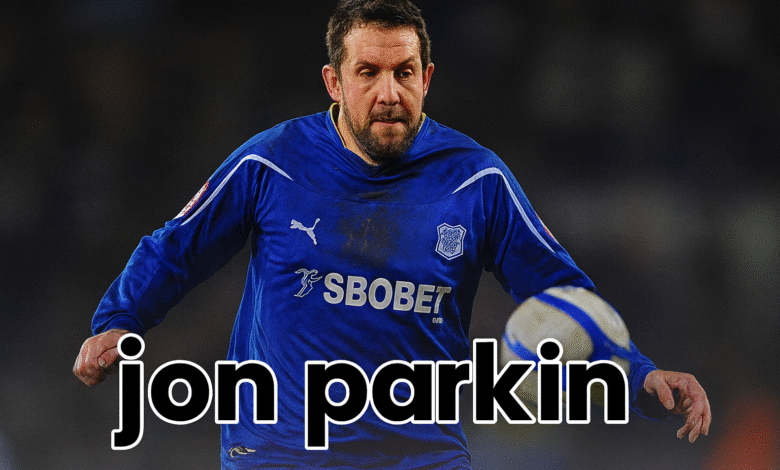
Jon Parkin is one of English football’s most memorable and charismatic strikers—celebrated for his immense physical presence, fearless attitude, and the colourful personality that made him a cult hero. Known across the lower leagues for strength, power, and determination, Jon Parkin built a career filled with highs, lows, victories, challenges, and standout performances that defined his unique legacy. Despite obstacles, his journey across numerous clubs earned him recognition as one of the most entertaining and hardworking forwards of his generation.
Jon Parkin’s story reflects both positive and negative aspects of a footballer’s life: the joy of scoring goals, becoming a fan favourite, and enjoying long-term success, balanced with the difficulties of maintaining form, facing transfers, and adapting to new teams. His career is a testament to perseverance and passion for the sport.
Quick Bio (Table)
| Attribute | Details |
|---|---|
| Full Name | Jonathan Parkin |
| Date of Birth | 30 December 1981 |
| Age | 43 years (2025) |
| Birthplace | Barnsley, England |
| Nationality | English |
| Height | 1.93 m (6 ft 4 in) |
| Position | Striker / Centre-Forward |
| Profession | Former Professional Footballer, Podcaster |
| Notable Nickname | “The Beast” |
| Current Work | Co-host of football podcast “Undr The Cosh” |
jon parkin Early Life and Background
Jon Parkin was born in Barnsley, England, where his early years were shaped by a deep connection to football culture. Growing up in a town known for hardworking values and a strong sporting spirit, he naturally gravitated towards the game. His passion for football developed at a young age, allowing him to join Barnsley’s youth system—his first step toward becoming a professional athlete.
As a young player, Jon Parkin stood out because of his size, confidence, and natural striking ability. Coaches recognised his potential early, pushing him to refine his skills and maintain discipline. These experiences laid the foundation for his future, making him ready for the challenges of competitive football.
jon parkin Start of Career
Jon Parkin began his senior professional journey with Barnsley in 1998. Although playing time was limited in the early years, his commitment to growth allowed him to develop physical strength and a fearless attacking approach that would define his career.
His real breakthrough came when he moved to York City in 2002. This transfer allowed him to gain regular minutes and steadily build his reputation as a reliable, powerful striker capable of dominating defenders through sheer physicality and determination.
jon parkin Football Career Overview
Jon Parkin’s football career is one of the most diverse in English lower-league history. He played for numerous clubs, adapting to different managers, styles, and systems while consistently proving his value.
During his time at Macclesfield Town between 2004 and 2006, he emerged as a prolific goal scorer, stunning fans with his strength and shooting power. This period boosted his reputation and led him to join bigger clubs such as Hull City and Stoke City. His aggressive playing style made him a challenging opponent and earned him admiration across various fanbases.
Career Journey Through Clubs
Jon Parkin represented many clubs throughout his long career, including York City, Macclesfield Town, Hull City, Stoke City, Preston North End, Cardiff City, Fleetwood Town, Forest Green Rovers, Newport County, and finally returning to York City. Each club added a new chapter to his story—some successful, some challenging, but all contributing to his growth.
At Preston North End, he gained further recognition for his influence on the pitch. His goal-scoring ability, coupled with his imposing presence, made him a valuable asset. Later, at Forest Green Rovers, Jon Parkin delivered impressive performances that strengthened his legendary reputation among football fans.
jon parkin Playing Style and Personality
Jon Parkin became famous not only for scoring goals but also for his bold and unfiltered personality. Known as “The Beast,” he embraced his role as a strong, physical forward who used power, aggression, and confidence to dominate games.
His straightforward humour, honesty, and fearless approach—both on and off the field—made him a favourite among supporters. Fans loved his raw authenticity, making him one of English football’s most relatable and entertaining characters.
jon parkin Post-Retirement and Media Career
After retiring from professional football in 2019, Jon Parkin continued to remain active in the sporting world. He became a co-host of the popular football podcast Undr The Cosh, where he shares behind-the-scenes stories, interviews players, and brings humour to the football community.
The podcast became a success because of Parkin’s candid approach, comedic timing, and willingness to discuss the real experiences of footballers—positive and negative. His strong presence and open style helped the show build a loyal audience across the UK.
jon parkin Latest News
In recent times, Jon Parkin has remained in the spotlight through his podcast appearances and media engagements. He continues to discuss football events, interview players, and entertain fans with his humour and storytelling skills. His strong personality keeps him relevant in the modern football conversation.
jon parkin Legacy
Jon Parkin’s legacy stretches far beyond goal-scoring statistics. He represents the spirit of English lower-league football—honest, hardworking, passionate, and full of character. His journey shows that success is not always about glamour but about resilience, persistence, and staying true to oneself.
His influence is felt among fans, teammates, and the broader football community. Jon Parkin will always be remembered as a powerful striker who gave everything on the pitch and a charismatic storyteller who continues to bring joy to football enthusiasts.
Conclusion
Jon Parkin’s life and career reveal a mix of strength, humour, challenges, and triumphs. From humble beginnings in Barnsley to an unforgettable football journey across many clubs, he proved that dedication and personality can create a lasting impact. His transition into media ensures that his stories, experiences, and larger-than-life presence continue to inspire and entertain audiences for years to come.
FAQ
Who is Jon Parkin?
Jon Parkin is a former English professional footballer known for his strong playing style and charismatic personality.
What position did Jon Parkin play?
He played as a striker or centre-forward throughout his professional career.
What is Jon Parkin doing now?
He works as a co-host on the football podcast Undr The Cosh.
What was Jon Parkin’s nickname?
He is famously known as “The Beast” due to his powerful build and aggressive playing style.
Where was Jon Parkin born?
He was born in Barnsley, England.