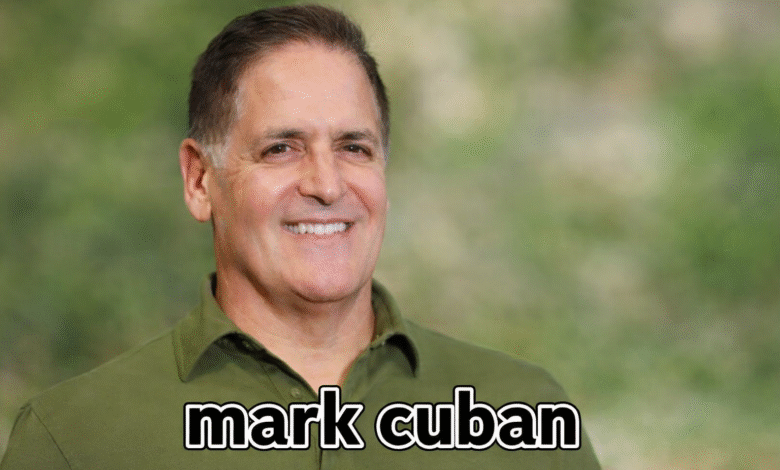
mark cuban Biography: The Bold Billionaire Who Turned Vision into Power

Introduction
Mark Cuban is one of the most recognizable business figures of the modern era, known for his fearless mindset, sharp opinions, and ability to turn disruption into opportunity. Rising from a modest background, he built wealth through technology, media, sports, and strategic investing, proving that timing, preparation, and resilience can change destiny. While admired for transparency and innovation, he has also faced criticism for his outspoken nature—making his story both inspiring and controversial.
What makes Mark Cuban compelling is not just his success, but the lessons embedded in his failures, risks, and reinventions. His journey reflects the realities of entrepreneurship: bold wins, public scrutiny, and constant adaptation. This biography explores his verified life story, career milestones, business ventures, and lasting legacy—without speculation or unconfirmed claims.
Quick Bio: Mark Cuban
| Field | Details |
|---|---|
| Full Name | Mark Cuban |
| Date of Birth | July 31, 1958 |
| Age | 67 (as of 2025) |
| Birthplace | Pittsburgh, Pennsylvania, USA |
| Nationality | American |
| Ethnicity | Jewish (Eastern European descent) |
| Education | Bachelor of Science in Business, Indiana University Bloomington |
| Marital Status | Married |
| Spouse | Tiffany Stewart |
| Children | Three |
| Net Worth | Approx. $6 billion (Forbes estimate) |
| Known For | Entrepreneurship, investing, sports ownership |
| Active Years | 1980s–present |
Early Life and Background
Mark Cuban was born in Pittsburgh, Pennsylvania, and raised in the suburb of Mt. Lebanon. Coming from a working-class family, he learned early the value of effort and independence. His father worked as an automobile upholsterer, and his mother held various jobs to support the household. This environment shaped his practical outlook and strong work ethic.
From a young age, Cuban showed an entrepreneurial streak. He took on small sales ventures as a teenager, learning firsthand how supply, demand, and persuasion work. These early experiences did not make him wealthy, but they built confidence and curiosity—two traits that later defined his career.
Education and Formative Years
Cuban attended Mt. Lebanon High School and took college courses early, demonstrating academic initiative. He later enrolled at Indiana University Bloomington, where he earned a Bachelor of Science degree in business. During university, he immersed himself in both academics and real-world experimentation, absorbing lessons that went beyond textbooks.
His time at Indiana University sharpened his understanding of markets, competition, and risk. More importantly, it reinforced a belief that learning does not stop at graduation—a philosophy he carried into every stage of his professional life.
Start of Career and First Breakthrough
After college, Cuban moved to Dallas, Texas, seeking opportunity. He worked in software sales, where his aggressive focus on customers helped him close deals but also led to his dismissal for ignoring office duties. Rather than seeing this as failure, he used it as a turning point.
He founded MicroSolutions, a computer consulting and systems integration company. The venture succeeded by solving practical business problems during a time when technology adoption was accelerating. The sale of MicroSolutions in 1990 marked Cuban’s first major financial win and validated his instincts as a founder.
The Rise to Billionaire Status
Cuban’s defining breakthrough came with the creation of an internet streaming company originally known as Audionet, later renamed Broadcast.com. The business capitalized on the early demand for online audio and video, particularly sports content. Timing, innovation, and scalability played key roles in its rapid growth.
The sale of Broadcast.com to Yahoo in 1999 transformed Cuban into a billionaire. While the dot-com era later collapsed for many, this moment cemented his place among elite entrepreneurs and gave him the capital to diversify into new industries.
Business Ventures and Companies
Cuban expanded beyond technology into media, entertainment, healthcare, and sports. He co-founded 2929 Entertainment, building a presence in film production and distribution. He also invested broadly in startups, often focusing on founders with strong execution skills.
One of his most visible ventures is the Mark Cuban Cost Plus Drug Company, launched to address inefficiencies and high prices in the pharmaceutical market. By emphasizing transparency and cost-plus pricing, the company reflects Cuban’s belief that business can challenge entrenched systems while remaining profitable.
Sports Ownership and Public Influence
In 2000, Cuban purchased a majority stake in the Dallas Mavericks. His hands-on ownership style, passion, and willingness to invest in talent changed the franchise’s culture. The team’s 2011 NBA championship stands as a highlight of his sports leadership.
Cuban later transitioned to a minority ownership role, but his influence on modern sports management remains significant. He demonstrated that owners could be visible, engaged, and accountable—qualities not always welcomed but often effective.
Media Presence and Shark Tank Era
Cuban became a household name through his long-running role as an investor on a prime-time entrepreneurship show. His direct feedback, competitive deals, and focus on fundamentals made him both respected and polarizing. Many founders credit his guidance with accelerating their growth.
At the same time, critics have argued that his blunt style can overshadow nuance. This balance of praise and criticism underscores a recurring theme in his life: impact often comes with friction.
Latest Developments
In recent years, Cuban has focused more heavily on healthcare reform, investment discipline, and public advocacy around affordability and innovation. His work continues to emphasize long-term value over short-term hype, particularly in areas affecting everyday consumers.
Legacy and Impact
Mark Cuban’s legacy is defined by self-made success, strategic risk-taking, and a refusal to follow conventional paths. Positively, he is celebrated for innovation, transparency, and mentorship. Negatively, his outspoken nature and confrontational style have drawn controversy. Together, these elements form a complete picture of a leader who is unapologetically himself.
His story proves that entrepreneurship is not about perfection, but persistence. By combining learning, timing, and courage, Cuban has left a lasting imprint on business, media, and culture.
Conclusion
Mark Cuban’s journey illustrates how vision paired with action can reshape industries. From humble beginnings to global influence, he has shown that success is earned through resilience and reinvention. Whether admired or criticized, his impact is undeniable—and his story continues to evolve.
Frequently Asked Questions
Q1: What is Mark Cuban best known for?
He is best known for entrepreneurship, investing, sports ownership, and media presence.
Q2: How did Mark Cuban make his fortune?
He built wealth through technology ventures, notably the sale of an early internet streaming company, followed by diversified investments.
Q3: Is Mark Cuban still active in business?
Yes, he remains actively involved in investing, healthcare innovation, and public business commentary.
Q4: What is Mark Cuban’s leadership style?
His style is direct, data-driven, and results-oriented, often encouraging transparency and accountability.
Q5: What is Mark Cuban’s long-term legacy?
His legacy lies in redefining modern entrepreneurship, combining profit with disruption and public engagement.
urab