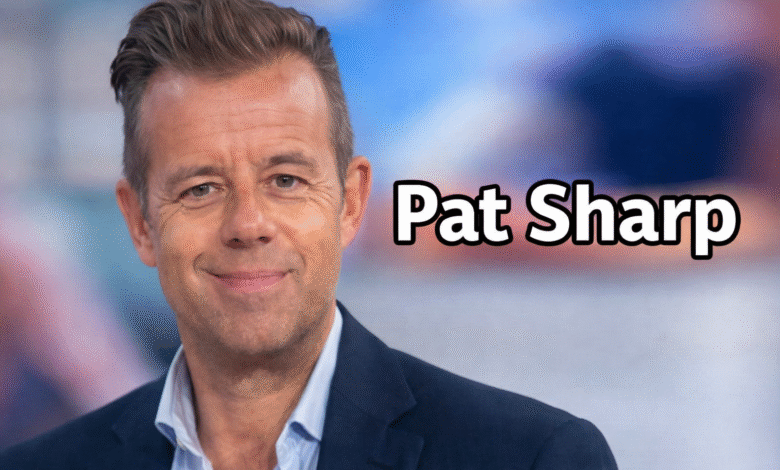
Pat Sharp: The Powerful Voice of British Entertainment — A Career of Fame, Fun, and Fierce Resilience

Introduction
Pat Sharp is one of the most recognisable names in British radio and television, celebrated for his energy, charisma, and lasting influence on popular culture. Rising to fame during the 1980s and 1990s, he became a familiar voice on national radio and a household face on television, especially for audiences who grew up watching children’s entertainment.
At the same time, Pat Sharp’s career has not been without challenges. Alongside decades of success, public scrutiny and changing media expectations have shaped his journey. This balance of achievement and adversity makes his story both inspiring and human, offering insight into longevity in the fast-moving world of broadcasting.
Quick Bio
| Field | Details |
|---|---|
| Full Name | Patrick Sharpin |
| Known As | Pat Sharp |
| Date of Birth | 25 October 1961 |
| Birthplace | London, England |
| Nationality | British |
| Profession | Radio Presenter, Television Host, DJ |
| Years Active | 1982–present |
| Spouse | Monica Sharp |
| Children | Three |
Early Life and Background
Pat Sharp was born and raised in London, England, where he developed an early interest in music, sound, and performance. Growing up in a creative household helped shape his confidence and curiosity, encouraging him to explore media from a young age. His fascination with radio began early, long before it became his profession.
He attended Merchant Taylors’ School, an independent school in Hertfordshire. Rather than following a traditional academic path into higher education, Sharp focused on practical experience and passion, a decision that would later define his rapid entry into professional broadcasting.
Education and Formative Years
Sharp’s education played a supporting rather than defining role in his career. He completed his secondary schooling but did not pursue university studies, choosing instead to build skills directly within the media industry. This hands-on approach allowed him to learn broadcasting from the inside out.
These formative years were marked by determination and experimentation. By prioritising experience over credentials, Pat Sharp positioned himself for early opportunities that many of his peers would only reach later in life.
The Start of His Broadcasting Career
Pat Sharp’s professional breakthrough came in 1982 when, at just 20 years old, he joined BBC Radio 1. This early achievement made him one of the youngest presenters on the station at the time, instantly setting him apart within the industry.
His style was energetic, approachable, and music-driven, qualities that resonated with listeners. These early radio appearances laid the foundation for a career built on personality, consistency, and audience connection.
Radio Career and National Recognition
Throughout the late 1980s and 1990s, Pat Sharp became a major figure in British radio. His long tenure at Capital FM, where he hosted a highly successful mid-morning show, established him as a dependable and popular voice. During this period, he earned industry recognition, including a Sony Radio Award for Best DJ.
Later roles at Heart, Smooth Radio, and Greatest Hits Radio demonstrated his adaptability across formats and generations. Even as radio evolved, Sharp maintained relevance by blending nostalgia with professionalism, keeping loyal listeners while attracting new ones.
Television Fame and Cultural Impact
Pat Sharp’s television career reached iconic status through his role as host of the ITV children’s game show Fun House. The programme became a defining part of British children’s television, remembered for its energy, colour, and excitement.
Beyond Fun House, Sharp presented and appeared on a range of music and entertainment shows, reinforcing his reputation as a versatile broadcaster. His television presence complemented his radio success, making him one of the most recognisable presenters of his era.
Music, Live Events, and Public Engagement
In addition to radio and television, Pat Sharp has remained active as a live DJ and event host. He has performed at festivals, corporate events, and nostalgia-themed shows, connecting directly with audiences beyond the studio.
He was also involved in music-based charity projects during the height of his fame, using entertainment as a platform for positive impact. These ventures broadened his professional identity while reinforcing his public appeal.
Personal Life and Values
Pat Sharp is married to Monica Sharp, and together they have three children. While he maintains a public career, he has generally kept his family life private, focusing public attention on his professional work rather than personal exposure.
This balance between visibility and privacy has allowed him to sustain a long career without over-commercialising his personal life. It reflects a measured approach to fame, one that prioritises stability and longevity.
Challenges, Criticism, and Resilience
Like many long-serving public figures, Pat Sharp has faced moments of criticism and controversy. Changes in broadcasting standards and public expectations have tested established personalities across the industry, including Sharp.
What stands out is his ability to continue working, adapting, and remaining present in media despite setbacks. This resilience highlights the complexity of long careers and the importance of accountability, reflection, and evolution.
Career Longevity and Current Work
Pat Sharp continues to work in radio, most notably with Heart 80s, where he presents mid-morning programming. His ongoing presence demonstrates the enduring appeal of experienced broadcasters who understand both music and audience psychology.
Rather than relying solely on past fame, Sharp remains active and relevant. His career today reflects continuity rather than reinvention, offering familiarity in an industry often defined by rapid change.
Legacy and Influence
Pat Sharp’s legacy lies in his contribution to British radio and television culture over more than four decades. For many, he represents the soundtrack and screen presence of childhood and adolescence, particularly during the late twentieth century.
His influence extends beyond nostalgia. By sustaining a career across multiple media shifts, he exemplifies adaptability, professionalism, and the lasting power of authentic broadcasting.
Conclusion
Pat Sharp’s story is one of powerful success tempered by real-world challenges. From a young radio presenter to a national television icon, his journey reflects both the rewards and responsibilities of public life.
As British media continues to evolve, Pat Sharp remains a symbol of endurance and connection. His career proves that lasting relevance is built not only on talent, but on resilience, growth, and the ability to move forward.
Frequently Asked Questions (FAQ)
Who is Pat Sharp?
Pat Sharp is a British radio presenter, television host, and DJ best known for his work on BBC Radio 1, Capital FM, and the ITV show Fun House.
When was Pat Sharp born?
He was born on 25 October 1961 in London, England.
Is Pat Sharp still active in broadcasting?
Yes, he continues to work in radio, including presenting shows on Heart 80s.
What made Pat Sharp famous?
His early success on BBC Radio 1 and his iconic role as host of Fun House made him widely known across the UK.
What is Pat Sharp’s legacy?
Pat Sharp is remembered as a defining voice and face of British entertainment, with a career spanning radio, television, live events, and popular culture.