Introduction
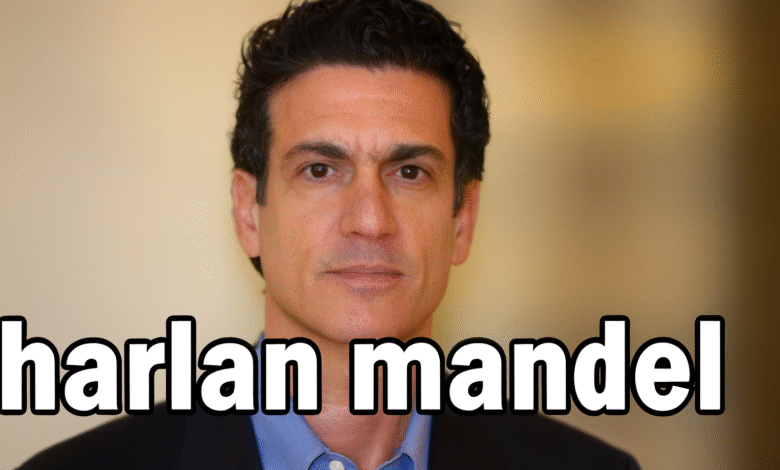
Harlan Mandel is widely recognized as one of the most influential figures in global media development. As the Chief Executive Officer of the Media Development Investment Fund (MDIF), he has dedicated his professional life to strengthening independent journalism in countries where press freedom faces both political and economic challenges. Known for his strategic mindset, calm leadership style, and commitment to democratic values, Harlan Mandel has shaped pathways for media organizations in emerging and frontier markets to grow sustainably. His work carries both positive and challenging aspects: on one hand, he supports independent voices and empowers journalists; on the other hand, he must navigate financial constraints, global instability, and ongoing threats to media freedom.
Through decades of experience in law, media financing, and impact-driven investment models, Harlan Mandel has established himself as a respected advocate for transparent, ethical and resilient media ecosystems. This biography highlights his verified life details, educational background, professional accomplishments, and the legacy he continues to build in the world of independent journalism.
Quick Bio (Table)
| Attribute | Verified Information |
|---|---|
| Full Name | Harlan Mandel |
| Profession | CEO, Media Development Investment Fund (MDIF) |
| Nationality | American |
| Education | BA, International Relations & Asian Studies (University of Pennsylvania); JD, Columbia Law School |
| Known For | Media investment leadership, support for independent journalism |
| Based In | United States |
| Career Start | Late 1980s (Law Practice) |
| Organization | MDIF (Joined 1998, CEO since 2011) |
Early Academic Foundation
Education and Global Perspective
Harlan Mandel’s academic journey laid a strong foundation for his future leadership. He earned his Bachelor of Arts in International Relations and Asian Studies from the University of Pennsylvania, gaining exposure to geopolitical dynamics and cross-cultural issues. This early academic interest in global affairs shaped his approach to media development, policy understanding, and international cooperation.
Following his undergraduate studies, he pursued a Juris Doctor (JD) at Columbia University School of Law, graduating in 1989. This rigorous legal education equipped him with expertise in legal structures, intellectual property issues, and international litigation. These skills later became vital in his work with emerging media organizations facing legal, financial, and regulatory challenges.
Transition Toward Advocacy
His academic background helped him build a worldview centered on fairness, transparency, and accountability. Even before entering the media development sector, his studies prepared him to work with organizations dedicated to public interest, governance, and democratic values.
Professional Beginnings in Law
Morrison & Foerster
Harlan Mandel began his professional career at the law firm Morrison & Foerster, working in New York and Los Angeles. His specialty areas included international litigation, intellectual property law, and emerging media law. During this period, he developed a keen understanding of the legal pressures affecting journalists, publishers, and media companies across different regions.
Shift to the Nonprofit Sector
In 1996, he made a deliberate move toward public-oriented work by joining the Open Society Institute as Deputy General Counsel. This transition marked a new phase, aligning his career more closely with global development, democracy, and media support. His legal expertise contributed to shaping policies and frameworks within a globally respected foundation.
Rise Within Media Development Investment Fund (MDIF)
Joining MDIF
In 1998, Harlan Mandel joined MDIF (then MDLF) as Deputy Managing Director. This role required him to manage financial investments, assess media business models, and evaluate the risks faced by independent news organizations. His ability to combine legal insight with financial decision-making made him a key part of the organization’s growth.
Becoming CEO
In 2011, he became the CEO of MDIF. Under his leadership, the organization expanded its mission to support media businesses through debt, equity and hybrid financing models. His strategic vision enabled MDIF to invest in dozens of media outlets across Africa, Asia, Latin America, and Eastern Europe. These investments helped sustain independent journalism in environments where press freedom is often under threat.
Global Impact and Leadership Philosophy
Supporting Independent Voices
Harlan Mandel believes strongly that a free press is the cornerstone of democracy. His work empowers media companies to operate independently, without relying solely on donor funding. He sees financial sustainability as essential for long-term journalistic integrity, and this belief guides MDIF’s investment strategies.
Innovation and Business Sustainability
He has played a critical role in designing new financial vehicles for MDIF, including structured debt instruments and impact-driven investment funds. These innovative tools provide media outlets with long-term financial stability, allowing them to expand operations, hire staff, and invest in investigative journalism.
Career Overview and Contributions
Investing in Independent Media
Throughout his tenure, Mandel has overseen investments in more than 50 independent media companies worldwide. These organizations include digital platforms, radio broadcasters, investigative outlets, and community-based media networks. Under his direction, MDIF ensures that editorial independence is preserved at all times.
Advocacy and Public Engagement
He is a frequent speaker at international conferences about journalism, democracy, and impact investing. His insights highlight the need for strong media ecosystems, especially in countries where press freedom is declining. His leadership is respected for its clarity, purpose, and long-term vision.
Latest Developments
Recent Focus Areas
In recent years, Harlan Mandel has continued to expand MDIF’s presence in digital media markets. His efforts include strengthening sustainability models for online news organizations and supporting investigative journalism initiatives. He remains active in global dialogues on media finance and digital rights.
Expanding Footprint
With the growth of digital misinformation, Mandel has emphasized the importance of trustworthy news sources. MDIF continues to support media outlets working to combat disinformation and improve civic literacy.
Legacy and Influence
Long-Term Vision
Harlan Mandel’s legacy lies in his commitment to strengthening media systems that uphold truth, transparency, and accountability. His work has enabled journalists in challenging political environments to continue reporting without fear of financial collapse.
A Lasting Impact
He will be remembered as a leader who bridged the worlds of law, finance, and media advocacy. His strategic leadership at MDIF demonstrates that sustainable journalism is achievable when supported with ethical investment models and global collaboration.
Conclusion
Harlan Mandel stands as a powerful force in the global fight for press freedom and independent journalism. His journey from legal practice to becoming the CEO of MDIF reflects a lifelong dedication to supporting truthful, responsible and courageous media organizations. While challenges remain in the global information landscape, his influence continues to inspire new generations of journalists, media innovators, and advocates for democracy. His work shows that even in difficult environments, independent voices can rise, survive, and thrive through strategic investment and unwavering commitment.
FAQ
Q1: Who is Harlan Mandel?
Harlan Mandel is the CEO of the Media Development Investment Fund (MDIF), known for supporting independent media worldwide.
Q2: What is MDIF?
MDIF is a global organization that provides financing to independent news companies in countries with restricted media environments.
Q3: What is Harlan Mandel known for?
He is known for his leadership in media financing, press freedom advocacy, and developing innovative investment tools for journalism.
Q4: What is his educational background?
He holds a BA from the University of Pennsylvania and a JD from Columbia University School of Law.
Q5: What is his legacy?
His legacy centers on supporting democratic values, empowering media startups, and building financial sustainability for independent journalism.