Introduction
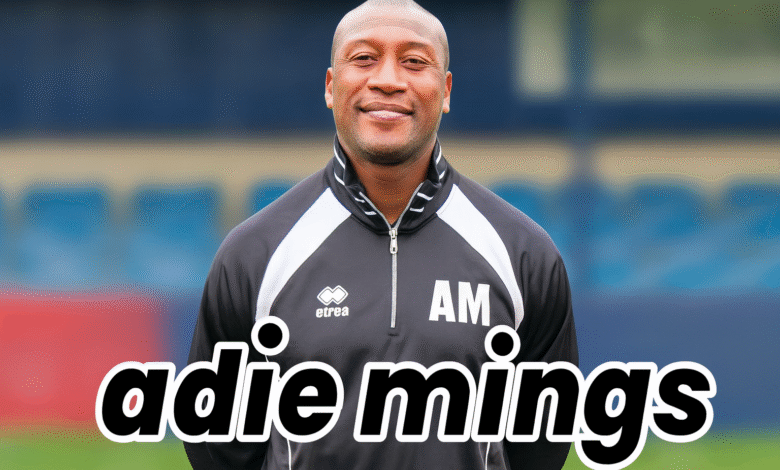
Adie Mings is widely recognised as a dedicated figure in English non-league football, celebrated for his resilience, leadership, and long-standing contribution to the sport. Known for his commanding presence as a forward and respected guidance as a manager and scout, Mings built a career rooted in hard work, discipline, and unwavering passion for football. His journey from grassroots beginnings to influential coaching and scouting roles highlights both the challenges and achievements that shaped his professional identity. While he never sought the spotlight, his work quietly influenced teams, players, and the wider football community.
His football story reflects both the positive and testing moments: the triumphs of club promotions, successful scouting, and respected leadership—balanced with the pressures, setbacks, and competitive realities of non-league football. Yet, through every high and low, Adie Mings remained committed, proving that impact is not measured only at Premier League level but also through decades of service in grassroots development.
Quick Bio
| Category | Details |
|---|---|
| Full Name | Adie Mings |
| Date of Birth | 17 October 1968 |
| Birthplace | Chippenham, England |
| Nationality | English |
| Profession | Former Footballer, Manager, Scout |
| Known For | Non-league playing career, Chippenham Town manager, football scouting |
| Notable Family | Father of professional footballer Tyrone Mings |
adie mings Early Life and Background
Adie Mings was born in Chippenham, England, a town deeply connected to football and community sporting culture. Growing up in an environment where local clubs played an important role, Mings developed a natural connection to the game. His early exposure to grassroots football shaped his competitive mindset and built the foundation for his future career as both a player and football mentor. With a strong local identity, his early years reflect determination, discipline, and ambition.
His interest in football grew during his youth, especially through early opportunities at local sides. The structure and spirit of community football helped him understand teamwork, tactical thinking, and the physical demands of the sport. These formative experiences would later influence his approach to leadership when he transitioned into coaching and management roles.
adie mings Start of Football Career
Mings began playing at a local level, where his talent and physical strength quickly became noticeable. His early career included time at clubs around Melksham and a spell with a team often referenced as “the Bluebirds,” marking the beginning of his rise in non-league football. These initial steps helped him develop match confidence and solidified his identity as a forward capable of influencing attacking play.
His strong performances soon led him to Bath City, one of the most significant early clubs in his career. Joining Bath City provided him with tougher challenges, higher expectations, and broader exposure across the non-league scene. As a striker, he learned to navigate competitive defences, execute tactical roles, and contribute to team results with consistency.
adie mings Rise Through Non-League Football
At Bath City, Mings continued to mature as a forward. His goal contributions and reliability on the pitch strengthened his reputation across non-league circles. His commitment to training and match discipline established him as a dependable attacking choice, influencing several of the club’s strong league campaigns.
In 1996, he moved to Gloucester City under manager Leroy Rosenior. His transfer to Gloucester City came at a time when the club was seeking experienced attacking profiles, and Mings delivered with his physical gameplay, aerial ability, and sharp positioning. This move demonstrated both his ambition and adaptability, as he embraced new tactical systems and competitive expectations.
adie mings Later Playing Career
Following his successful period at Gloucester City, Mings went on to represent other respected non-league clubs, including Forest Green Rovers and Basingstoke Town. His style of play—direct, strong, and team-oriented—made him a valuable presence in attacking transitions. These experiences across multiple clubs enriched his tactical understanding and prepared him for a future beyond playing.
Throughout these years, he gained admiration for his professionalism, work ethic, and leadership qualities. His influence on the pitch extended beyond scoring goals; he became a figure younger teammates often looked up to, especially during difficult fixtures and training sessions.
adie mings Coaching Career and Managerial Journey
After concluding his playing career, Mings shifted naturally into coaching. His strong understanding of non-league football and his ability to motivate players led him back to Chippenham Town, where he initially served as Assistant Manager. His connection to his hometown club made this role especially meaningful, allowing him to contribute both emotionally and professionally.
He later became the first-team manager, guiding Chippenham Town through competitive seasons and helping the team reach playoff opportunities in the Southern Premier League. His leadership was balanced by strategic planning, disciplined training approaches, and the ability to handle both positive performances and occasional setbacks with maturity.
adie mings Transition to Scouting
After stepping away from full-time management, Mings continued his football involvement through scouting. He worked in London and contributed to talent identification systems, applying his eye for player potential built from decades of on-pitch experience. His scouting role strengthened his reputation as someone who understood the importance of player development and long-term planning in football.
This phase of his career highlights his adaptability—shifting from scoring goals to shaping future talent. His scouting contribution reflects his deep understanding of grassroots pathways and the skills required for players to progress through competitive levels.
adie mings Influence and Legacy
Adie Mings leaves behind an important legacy in English grassroots football. His decades of involvement—as a player, manager, and scout—demonstrate loyalty to the game and a commitment to ongoing development. He is admired for his resilience, ability to manage pressure, and consistent dedication to improving teams he worked with.
His legacy is also reflected through his son, professional footballer Tyrone Mings, whose career in the Premier League and the England squad is often connected to the support and football values he received at home. Adie’s influence, guidance, and understanding of competitive football helped shape a new generation, strengthening his role within the wider football community.
Conclusion
Adie Mings represents the true spirit of English non-league football—hard-working, disciplined, and passionate. His journey shows both the positive moments of success and leadership, as well as the difficult challenges faced along the way. Through playing, coaching, and scouting, he built a career defined not by fame but by long-term impact. His contributions continue to be respected, especially within Chippenham Town and other clubs that benefited from his efforts. Mings stands as a reminder that dedication, resilience, and strong football values can make a lasting difference in the sport, even beyond the professional spotlight.
FAQ
Who is Adie Mings?
Adie Mings is an English former footballer, manager, and scout known for his long-standing involvement in non-league football and his leadership roles at Chippenham Town.
What position did Adie Mings play?
He played as a forward, known for his physical style, aerial strength, and attacking movement.
Which clubs did Adie Mings play for?
He played for clubs including Bath City, Gloucester City, Forest Green Rovers, Basingstoke Town, and local sides early in his career.
Is Adie Mings related to Tyrone Mings?
Yes, he is the father of England and Aston Villa defender Tyrone Mings.
What is Adie Mings known for today?
He is known for his contributions to scouting, coaching, and non-league football development.