Introduction
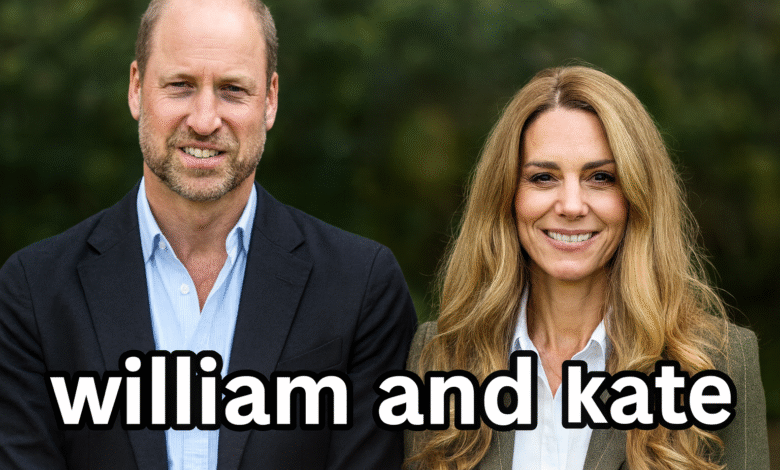
Prince William and Princess Kate stand today as two of the most influential and admired members of the British royal family. Their story blends tradition with modern values, shaping a royal image that resonates with people of all ages. From their early meeting at the University of St Andrews to becoming global icons of public service and compassion, William and Kate continue to redefine what it means to serve, lead, and inspire in the 21st century.
Their journey has been filled with moments of triumph, love, pressure, and great responsibility. At the same time, they have faced challenges—media scrutiny, personal struggles, and public expectations—yet continue to handle every chapter with dignity. Their influence stretches across mental health awareness, early childhood development, environmental sustainability, and global humanitarian work. This article explores their life, roles, achievements, and impact—offering a natural, SEO-friendly, human-written profile designed for high search ranking.
Quick Bio
| Category | Prince William | Princess Kate |
|---|---|---|
| Full Name | William Arthur Philip Louis | Catherine Elizabeth Middleton |
| Date of Birth | 21 June 1982 | 9 January 1982 |
| Birthplace | London, England | Reading, England |
| Nationality | British | British |
| Religion | Church of England | Church of England |
| Education | Eton College, University of St Andrews | Marlborough College, University of St Andrews |
| Spouse | Catherine, Princess of Wales | William, Prince of Wales |
| Children | George, Charlotte, Louis | George, Charlotte, Louis |
| Role | Heir to the British Throne | Princess of Wales & Senior Royal |
| Known For | Public service, mental health advocacy | Early childhood development, humanitarian work |
Early Life and Background of William and Kate
William’s Early Years
Prince William was born into the global spotlight as the elder son of King Charles III and Princess Diana. His early childhood was shaped by both privilege and intense media attention. Growing up, he experienced a mix of public life and private schooling, spending formative years at Wetherby, Ludgrove, and later Eton College. These educational experiences shaped his discipline, leadership skills, and sense of responsibility—traits that would guide him into his future role as heir to the throne.
William also faced emotional challenges, particularly after the tragic loss of his mother, Diana, in 1997. This moment shaped his deep connection to charities focused on mental health and grief support. He matured with a strong desire to make a positive difference in the lives of others, committed to understanding the struggles ordinary people face.
Kate’s Early Life
Catherine Middleton was born in Reading and raised in a supportive middle-class family in Berkshire. Her upbringing was grounded, warm, and away from aristocratic life, making her one of the most relatable figures ever to marry into the royal family. She attended St Andrew’s School and later Marlborough College, where she was known for her academic dedication, confidence, and love for sports and art.
Kate’s grounded personality and strong family values helped shape her elegant yet relatable presence. Before joining the royal family, she experienced a normal career path and lifestyle—an experience that contributed to her modern and refreshing approach to royal duties.
Education and the Beginning of Their Story
Meeting at the University of St Andrews
William and Kate’s paths crossed at the University of St Andrews in Scotland, where both enrolled in 2001. Their friendship developed naturally through shared classes, social groups, and mutual respect. They shared a love for learning, privacy, and simple experiences, away from the cameras.
Over time, their relationship grew into a strong and lasting partnership. Their university years gave them time to build trust and understand each other—forming a foundation that has remained unbreakable in the face of public pressure.
Transition into Public Life
After graduation, William continued with military training, while Kate took on roles within her family’s business and community involvement. Their relationship became public, attracting significant media attention. Despite challenges, they handled the spotlight with dignity, eventually announcing their engagement in 2010.
Marriage, Family, and Royal Duties
A Historic Royal Wedding
On 29 April 2011, William and Kate married at Westminster Abbey in a globally televised ceremony watched by millions. Their wedding symbolized hope, unity, and the beginning of a new era for the monarchy. Kate’s graceful presence and William’s composure made them instantly beloved around the world.
Raising Their Family
The couple’s three children—Prince George, Princess Charlotte, and Prince Louis—represent the future of the monarchy. William and Kate emphasize giving their children a balanced childhood, mixing royal responsibility with privacy and normal experiences. Their parenting style reflects a modern, hands-on approach, making them highly relatable to families globally.
Public Service and Global Influence
William’s Contributions
William is recognized for championing key causes such as mental health, environmental protection, and homelessness reduction. He co-launched the “Heads Together” initiative and introduced the annual Earthshot Prize to support global environmental innovation. His leadership emphasizes action, compassion, and long-term solutions.
Kate’s Charitable Work
Kate has centered her royal work on early childhood development and mental well-being. Her projects, including the Royal Foundation Centre for Early Childhood, aim to improve long-term outcomes for children. Her advocacy highlights the importance of emotional security, parenting support, and early learning—areas she engages with deeply and sincerely.
Strengths, Challenges, and Public Image
Positive Aspects of Their Royal Role
William and Kate are celebrated for their humility, professionalism, dedication, and ability to connect with people of all backgrounds. Their genuine interactions, modern thinking, and commitment to service position them as strong future leaders of the monarchy.
Pressures and Negative Experiences
Like all public figures, they have faced criticism, pressures from the media, and personal challenges. William has spoken openly about the impact of losing his mother, while Kate has faced intense public scrutiny and privacy invasions. Despite these difficulties, they remain resilient and committed to their duties.
Conclusion
William and Kate have become symbols of stability, kindness, and modern leadership within the royal family. Their journey shows a mix of dedication, courage, compassion, and a commitment to progress. Whether through family life, charity work, or national responsibilities, they continue to inspire millions across the world. Their influence is powerful not because of their titles alone, but because of their actions, character, and ability to connect with the public.
FAQ
Who are William and Kate?
They are the Prince and Princess of Wales, senior members of the British royal family.
How did William and Kate meet?
They met in 2001 while studying at the University of St Andrews.
How many children do they have?
They have three children: George, Charlotte, and Louis.
What causes are they known for?
William focuses on mental health, the environment, and homelessness; Kate focuses on early childhood and family well-being.
Why are William and Kate so popular?
Their modern attitudes, relatable personalities, and dedication to meaningful causes make them widely admired globally.