Introduction
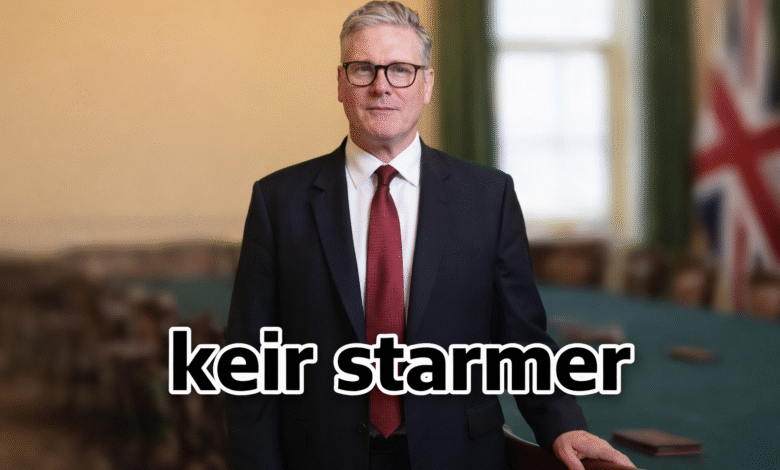
Keir Starmer is one of the most significant political figures in modern British history, known for his disciplined approach, legal expertise, and steady leadership style. His rise from a working-class background to the highest political office in the United Kingdom reflects determination, structure, and a strong belief in public service.
At the same time, his leadership has not been without criticism. Supporters praise his pragmatism and stability, while critics argue that his cautious style lacks emotional appeal. This balanced reality makes Keir Starmer a complex and influential leader whose career continues to shape Britain’s political direction.
Quick Bio
| Field | Details |
|---|---|
| Full Name | Sir Keir Rodney Starmer |
| Date of Birth | 2 September 1962 |
| Age | 63 (as of 2026) |
| Birthplace | Southwark, London, England |
| Nationality | British |
| Profession | Politician, former barrister |
| Political Party | Labour Party |
| Current Role | Prime Minister of the United Kingdom |
| Marital Status | Married |
| Children | Two |
| Education | University of Leeds; University of Oxford |
Early Life and Family Background
Keir Starmer was born in South London and raised in Surrey in a family that valued hard work and public service. His father worked in manufacturing, while his mother was a nurse who lived with a long-term illness. These early experiences exposed him to the realities of working-class life and the importance of public institutions such as healthcare and education.
Growing up in a modest household shaped his disciplined outlook. He was academically focused from a young age and became the first in his family to attend university. This background continues to influence his emphasis on opportunity, fairness, and structured reform.
Education and Academic Excellence
Starmer attended Reigate Grammar School before studying law at the University of Leeds, where he earned his undergraduate law degree. He later completed postgraduate legal studies at the University of Oxford, one of the most respected academic institutions in the world.
His education laid the foundation for a career rooted in legal precision and analytical thinking. These qualities later became central to his political identity, particularly in debates involving constitutional law, governance, and public accountability.
Start of Career in Law
Keir Starmer began his professional career as a barrister, specialising in criminal defence and human rights law. He worked on complex cases involving civil liberties, policing standards, and justice reform, earning a reputation for seriousness and professionalism.
Over time, he advanced to senior legal positions and was eventually appointed Director of Public Prosecutions. In this role, he led the Crown Prosecution Service, overseeing major reforms and high-profile cases. His legal career established him as a figure associated with rule of law, structure, and institutional responsibility.
Transition Into Politics
After years in public legal service, Starmer entered electoral politics and was elected to Parliament in 2015. His move into politics was seen as a natural progression for someone deeply familiar with public institutions and national governance.
In Parliament, he quickly became known for his methodical style and attention to detail. Unlike more populist figures, his approach focused on policy clarity and procedural discipline, which appealed to voters seeking stability but sometimes frustrated those wanting bold rhetoric.
Leadership of the Labour Party
Keir Starmer became leader of the Labour Party in 2020 during a period of internal division and electoral uncertainty. His leadership marked a clear shift toward restoring credibility, tightening party discipline, and redefining Labour’s relationship with voters.
Supporters credit him with rebuilding trust and professionalism within the party. Critics argue that his centrist repositioning disappointed parts of the traditional base. This tension defined much of his leadership before the general election victory.
Prime Minister of the United Kingdom
Following a decisive general election win, Starmer became Prime Minister, marking a major political transition in the UK. His government has emphasised economic stability, institutional reform, and long-term national planning.
His leadership style as Prime Minister is deliberate and controlled. While this has reassured markets and international partners, it has also attracted criticism from those who prefer more charismatic leadership. Nonetheless, his administration represents a return to structured governance after years of political volatility.
Income and Professional Earnings
Keir Starmer’s confirmed income comes from his official roles in public service. This includes his salary as a Member of Parliament and his additional salary as Prime Minister. No verified information exists regarding private business ventures or corporate ownership.
His professional earnings prior to politics were derived from his legal career in public service roles. There are no confirmed reports of commercial enterprises or private companies under his ownership.
Public Image and Leadership Style
Starmer is widely regarded as calm, serious, and highly disciplined. Admirers see these traits as strengths in times of national uncertainty. Detractors describe him as reserved and overly cautious, suggesting he lacks emotional connection with some voters.
This contrast defines his public image. His leadership appeals strongly to those who prioritise competence and stability, while others seek more inspirational communication. Both perspectives continue to shape public debate around his premiership.
Conclusion
Keir Starmer’s journey from a working-class upbringing to Prime Minister reflects resilience, education, and a lifelong commitment to public service. His leadership is marked by legal precision, institutional respect, and a focus on long-term reform rather than short-term popularity.
Whether viewed as a stabilising force or a cautious reformer, his impact on British politics is undeniable. As his premiership continues, his legacy will be shaped by how effectively structured governance translates into tangible improvements for everyday citizens.
Frequently Asked Questions (FAQ)
Who is Keir Starmer?
Keir Starmer is a British politician and Prime Minister of the United Kingdom, with a background in law and public prosecution.
What is Keir Starmer known for?
He is known for his legal expertise, disciplined leadership style, and efforts to restore stability and credibility to British governance.
Does Keir Starmer have children?
Yes, he has two children, though he keeps his family life private.
What was Keir Starmer’s career before politics?
Before politics, he worked as a barrister and later served as Director of Public Prosecutions.
What defines Keir Starmer’s leadership style?
His leadership style is pragmatic, structured, and cautious, focusing on long-term institutional reform rather than populist messaging.