david profumo: A Remarkable Journey of Literature, Legacy, and Personal Identity

Introduction
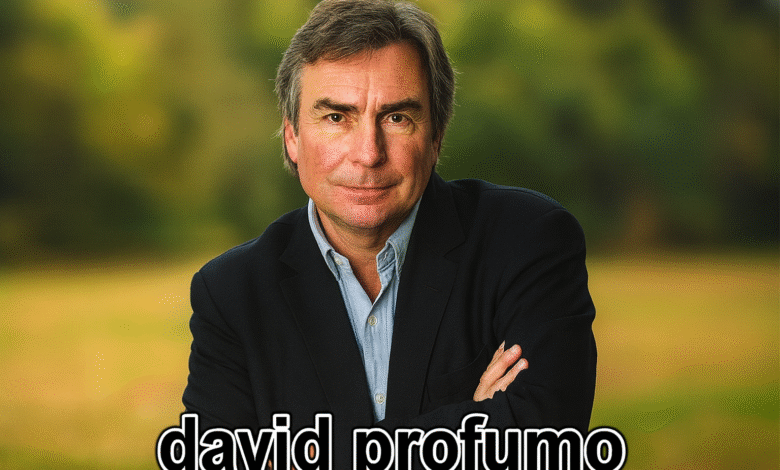
David Profumo stands as one of Britain’s most intriguing literary figures, known for his refined storytelling, reflective memoir writing, and deep connection to nature and angling culture. As the son of two prominent public personalities, he grew up in a world shaped by fame, scrutiny, and artistic influence. Despite carrying a surname linked to one of the most talked-about political scandals in British history, David Profumo built a powerful, independent, and deeply respected career rooted in literature, teaching, journalism, and thoughtful personal exploration. His life represents both positive resilience and the difficult emotional weight of navigating a public family legacy—an experience that shaped his voice as a writer.
This article explores his early life, education, writing journey, personal insights, major works, and his contribution to modern British literature, all using verified public information.
Quick Bio
| Attribute | Details |
| Full Name | David John Profumo |
| Born | 20 October 1955 |
| Birthplace | London, United Kingdom |
| Nationality | British |
| Education | Eton College; Magdalen College, Oxford (English) |
| Profession | Novelist, Memoirist, Journalist, Angling Writer |
| Parents | John Profumo (politician), Valerie Hobson (actress) |
| Spouse | Helen Fraser (m. 1979) |
| Children | One son: Alexander James Profumo |
| Notable Work | Bringing the House Down (memoir), Sea Music, The Weather in Iceland |
Early Life and Family Background
David Profumo was born into a household that blended the glamour of British cinema and the intensity of political life. His father, John Profumo, was a well-known British government minister, while his mother, Valerie Hobson, was a celebrated film and theatre actress. Growing up in London, David experienced a world shaped by culture, intellect, and public attention.
Although his family history was marked by the infamous Profumo affair, David’s upbringing also fostered emotional maturity and creativity. Both parents instilled in him a strong respect for privacy, artistic expression, and personal responsibility. These early influences helped shape his future as a thoughtful, articulate writer capable of exploring human experiences with empathy and precision.
Education and Academic Foundations
David Profumo’s academic path began at Eton College, one of the most prestigious institutions in the United Kingdom. His years at Eton sharpened his analytical abilities and exposed him to classical literature, writing, and the discipline required to excel academically.
He later studied English at Magdalen College, Oxford, where he graduated in 1977. This academic background provided him with a strong command of language, literary theory, and historical context—skills that would become central to his career as a novelist, memoirist, and literary commentator.
Beginning of Career: Teaching and Early Writing
David Profumo first worked as an Assistant Master of English at Eton in 1978, returning to the school where he once studied. His early career continued with teaching roles at Shrewsbury School and later as a part-time lecturer at King’s College London.
During these years, he balanced teaching with writing, contributing to literary magazines and strengthening his voice as a thoughtful observer of human behaviour, identity, and emotional struggle. These roles were the foundation of his professional journey and reflected both discipline and creativity.
Transition into Journalism and Literary Editing
By the early 1980s, David Profumo entered journalism and editorial work. He served as Deputy Editor of Fiction Magazine, where he explored contemporary voices and refined his own editorial approach. Later, he became a columnist for The Daily Telegraph, contributing essays, commentary, and cultural reflection from 1987 to 1995.
His writing style—calm, articulate, descriptive, and introspective—earned him a solid reputation among readers and critics. He later joined Country Life as a fishing correspondent, combining his love of nature with elegant, literary storytelling.
Rise as a Novelist
David Profumo established himself as a novelist through works that blended sensitivity, atmosphere, and emotional depth.
Sea Music (1988)
His debut novel portrayed relationships, identity, and personal transformation. The book won praise for its lyrical style and earned him the Geoffrey Faber Memorial Prize, acknowledging his talent early in his writing life.
The Weather in Iceland (1993)
His second novel further solidified his literary presence, weaving together themes of memory, place, and human complexity.
Both works show Profumo’s unique ability to create mood-driven narratives with poetic clarity.
Non-Fiction and Angling Literature
Alongside fiction, Profumo is highly respected for his contributions to angling and nature writing. His love for fishing is more than a hobby—it is a philosophical lens through which he explores life, solitude, and personal resilience.
The Magic Wheel (1985)
Co-edited with Graham Swift, this anthology celebrates centuries of fishing literature and reflects his deep appreciation for cultural and natural heritage.
In Praise of Trout (1989)
This book merges literary reflection with personal experience and natural history, showcasing his ability to elevate angling into a meaningful narrative form.
Memoir: A Personal Yet Powerful Turning Point
Bringing the House Down (2006)
This memoir stands as David Profumo’s most well-known and emotionally significant work. It examines his parents’ lives, the impact of the Profumo affair, and the hidden emotional cost carried by the family. Written with honesty, tenderness, and intelligence, the book reveals the positive strength of healing yet acknowledges the negative hardship of inheriting a troubled public legacy.
The memoir was praised for its sensitivity and depth, offering a unique perspective on a major moment in British political history.
Career Achievements and Recognition
-
Geoffrey Faber Memorial Prize for Sea Music
-
Fellow of the Royal Society of Literature (FRSL)
-
Judge for the Booker Prize
-
Long-standing contributor to national newspapers and literary outlets
-
Celebrated angling and countryside writer
These achievements reflect both the consistency and quality of his contributions over several decades.
Legacy and Influence
David Profumo’s legacy is defined by literary elegance, emotional honesty, and an ability to transform personal history into meaningful storytelling. He represents resilience, artistic independence, and the power of narrative to reclaim identity. His works continue to influence readers who appreciate thoughtful memoir, nature writing, and understated literary craft.
He remains a respected figure in British literature—a writer who shaped his own path despite inheriting one of the country’s most talked-about family histories.
Conclusion
David Profumo’s life is a story of determination, artistry, and personal growth. From his early years in London to his accomplishments in literature and journalism, he has created a body of work that is both intellectually rich and emotionally resonant. His novels, memoir, and nature writing highlight the depth of his experiences and his commitment to storytelling with integrity and sensitivity. Today, he continues to be admired for his contributions to British cultural and literary heritage.
FAQ
Who is David Profumo?
David Profumo is a British novelist, memoirist, journalist, and angling writer known for his novels, literary reflections, and his acclaimed memoir Bringing the House Down.
What is David Profumo known for?
He is best known for his novels Sea Music and The Weather in Iceland, as well as his memoir about his family life and legacy.
What is David Profumo’s background?
He was born in London to politician John Profumo and actress Valerie Hobson, combining political and artistic influences in his early life.
Is David Profumo still active as a writer?
Yes, he continues to contribute to literary and angling publications.
What themes appear in his writing?
His work often explores identity, nature, family history, solitude, and the emotional layers of personal transformation.